Rasa Nusantara – Behind Every Taste, There is a Story.
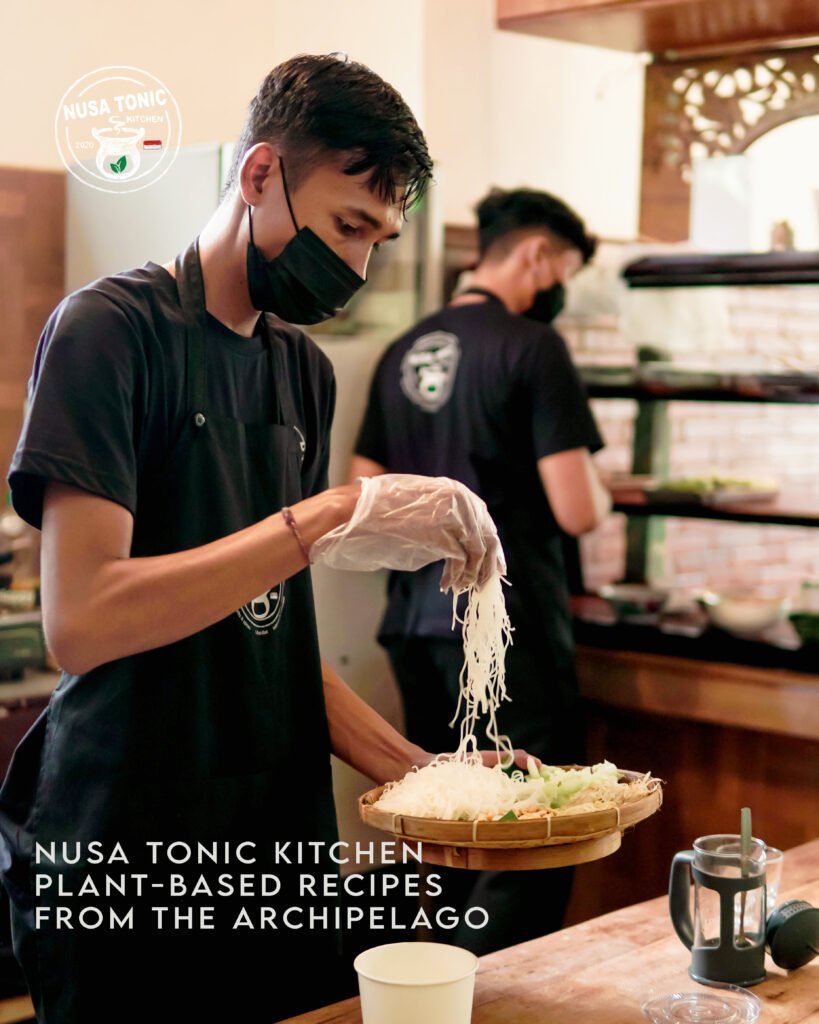
Nusa Tonic was a community kitchen initiative that emerged in response to the food security crisis in Ubud, Bali during the COVID-19 pandemic. Over a period of 3 years, the project made a significant impact through the following activities:
6,500+ free meals were provided to the elderly and infirm as nutritional support, using plant-based and whole-food ingredients.
Subsidized meal services were offered for 3 years via home delivery and later on-site dining.
50+ sustainable recipes were developed using local ingredients, flavors, and home-style cooking techniques, contributing to planetary nutrition efforts.
Training and knowledge sharing were carried out through collaborations with local chefs and organizations such as ViaVia Jogja and Janti Alterjiwo.
The project also involved:
Local community networks, including village heads and health organizations like the Bumi Sehat Foundation.
Logistical and in-kind support from individuals and organizations both locally and abroad.
A focus on long-term impact, such as strengthening food security, improving public health, and promoting sustainable eating habits.
When the kitchen contract ended in May 2023, the knowledge and skills developed during the project were transferred to the Bumi Sehat Foundation to ensure continued community benefit.
See typical foods and their history

Nusa Tonic
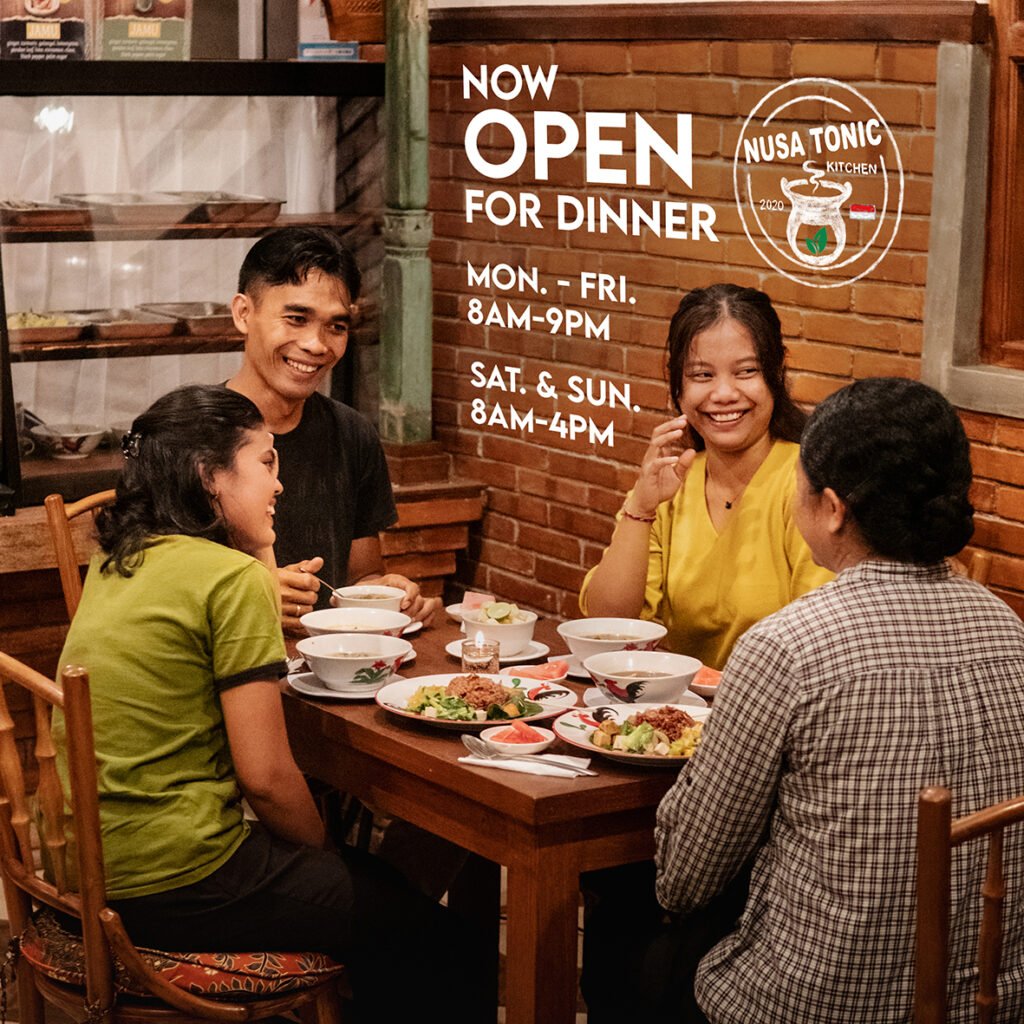
At Nusa Tonic Kitchen, we believe that food should nourish more than just the body — it should feed the soul, celebrate culture, and respect the planet. Inspired by the rich heritage of Indonesian plant-based ingredients, we craft vegan meals and tonics that are as healing as they are delicious.
Our kitchen is built on the belief that nature provides everything we need. Using local herbs, spices, and whole foods, we create vibrant dishes and refreshing drinks that support a conscious, sustainable lifestyle. Everything we serve is 100% plant-based — no animal products, no artificial flavors, no compromise on taste.

Featured Story
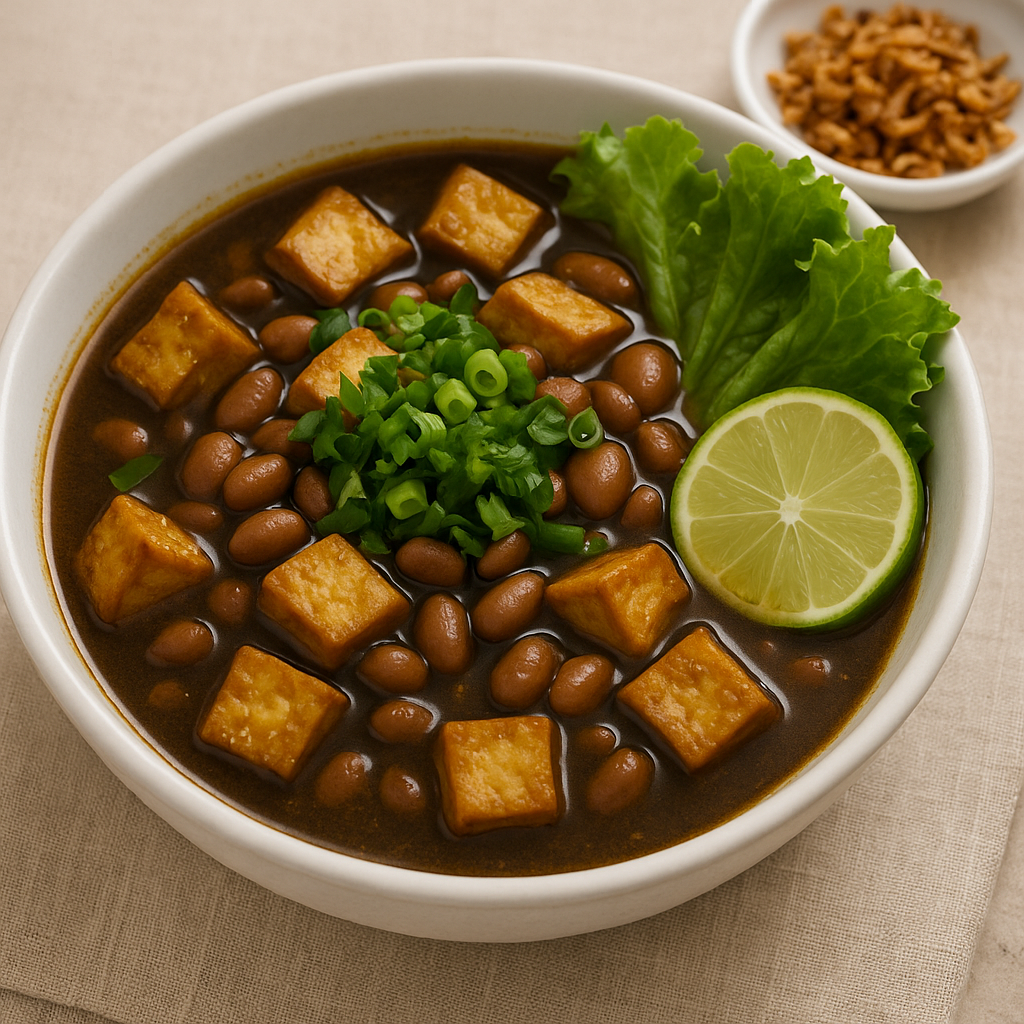
Rawon
History of Rawon
Rawon is a traditional Indonesian dish that originates from East Java, particularly well-known in Surabaya, Malang, and surrounding areas. Rawon is distinguished by its thick black broth and rich, savory flavor infused with local spices.
Origins and Historical Background
Rawon is believed to have existed since the time of ancient Hindu-Buddhist kingdoms in Java, around the 10th to 15th centuries AD. One of the major kingdoms that flourished in East Java during that period was the Majapahit Kingdom. Rawon is thought to have been either a royal dish or a commonly known local delicacy even back then.
The key ingredient in rawon is kluwek (Pangium edule), a fermented black nut that must be processed carefully to remove its natural toxins. Kluwek gives the soup its distinctive dark color and deep, earthy flavor. Its use reflects the unique culinary traditions and local ingenuity of Javanese culture.
Origins and Culinary Context
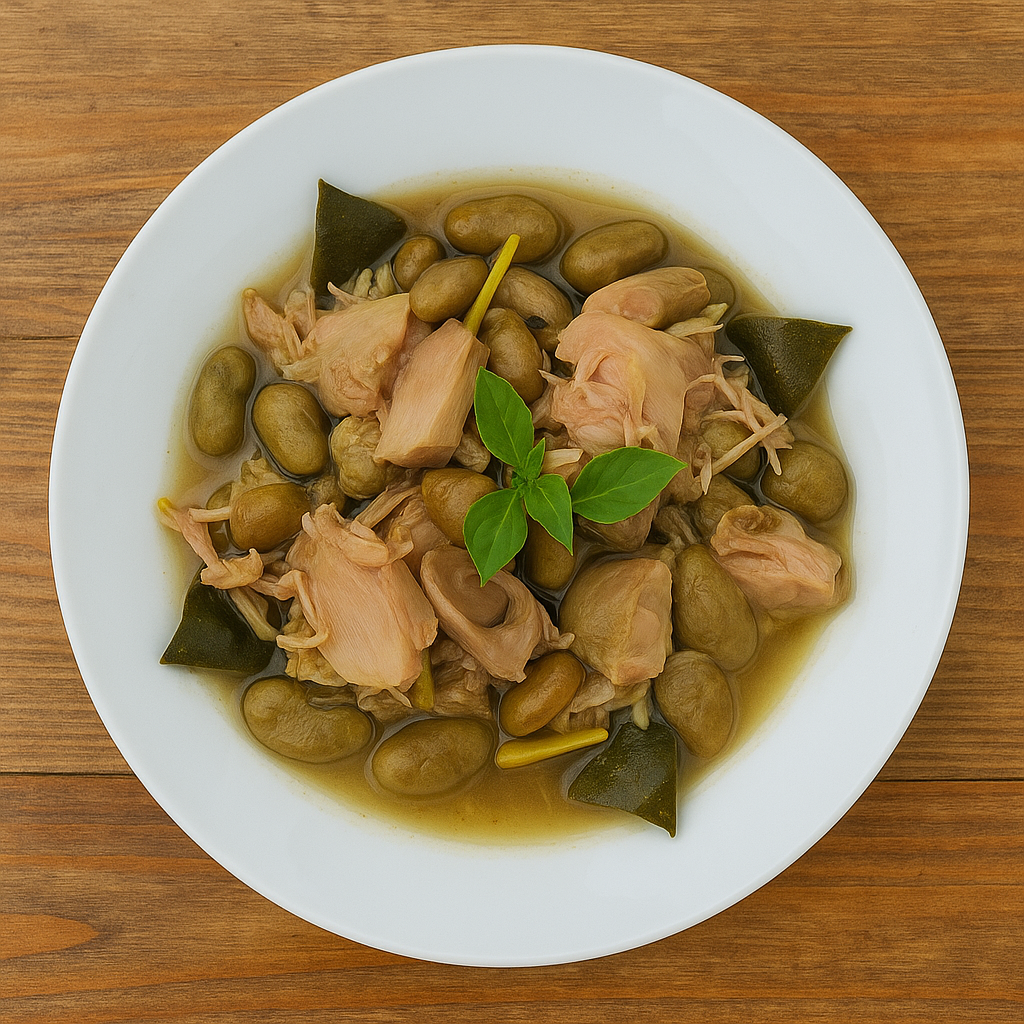
The jackfruit (Artocarpus heterophyllus) is a tropical plant that has been cultivated in the Indonesian archipelago for centuries. Since the era of ancient Hindu-Buddhist kingdoms in Java, jackfruit has been a vital food source, especially in the form of young (unripe) jackfruit, which is commonly used in traditional dishes.
The hard part of the young jackfruit—referred to as balung nangka by locals—is the fibrous portion or small core surrounding the jackfruit seeds. In traditional dishes such as:
Sayur tewel (young jackfruit stew),
Gudeg (a Yogyakarta specialty),
Lodeh nangka (vegetable curry with jackfruit),
balung nangka is often cooked along with the fruit. Although its tough texture makes it difficult to chew and sometimes regarded as inedible, its presence adds depth and authenticity to the dish.
Balung Nangka
Semur
Etymology and Cultural Influence
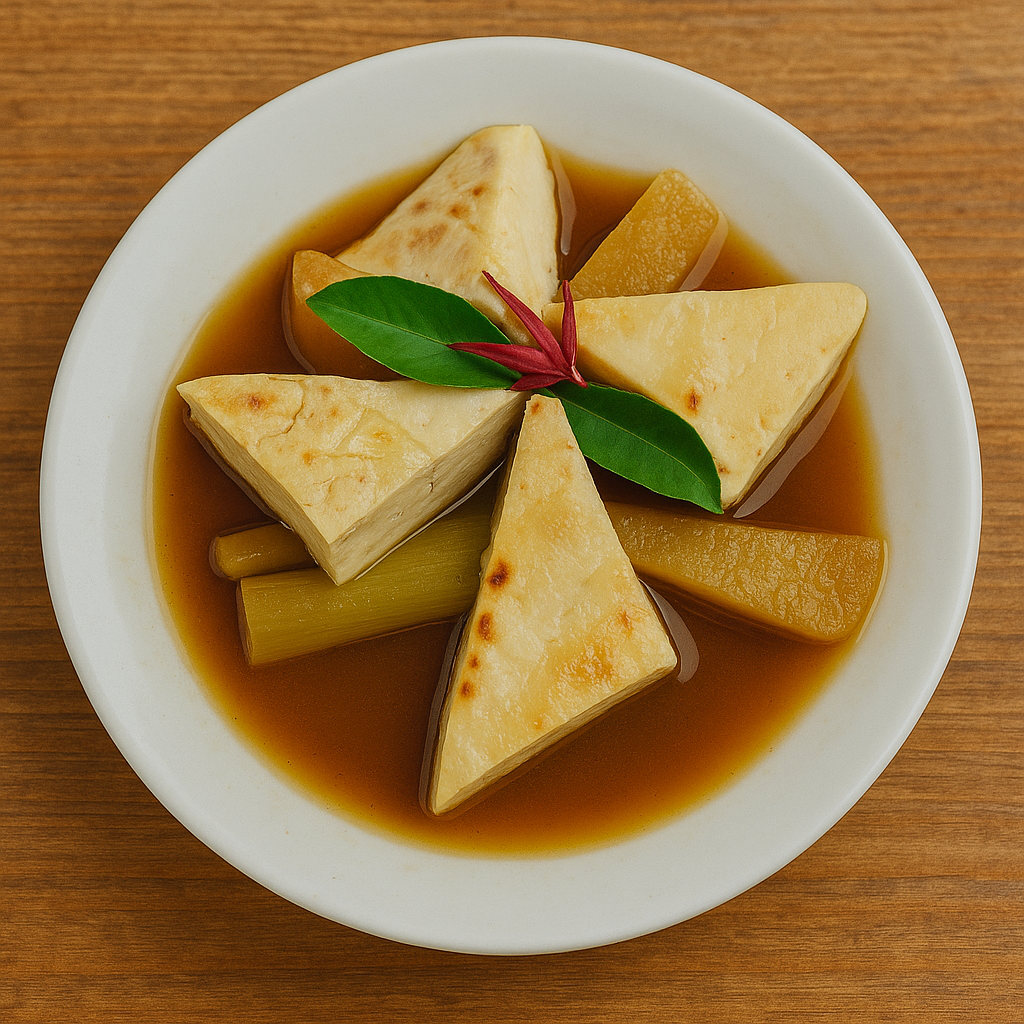
The word “semur” is derived from the Dutch term “smoor,” which means “to braise or stew slowly over low heat.” During the Dutch colonial period in Indonesia (17th to 20th century), this cooking technique was introduced by the Dutch settlers. In Dutch cuisine, smoor originally referred to meat simmered with onions and tomatoes.
However, when this technique merged with local Indonesian ingredients—particularly sweet soy sauce, nutmeg, cloves, cinnamon, and shallots—the result was a uniquely Indonesian version of the dish. This fusion gave birth to the rich and flavorful semur we know today.
Nusa Tonic Kitchen is a plant-based culinary destination that celebrates the richness of Indonesian flavors in harmony with a healthy and sustainable lifestyle. We believe food is more than nourishment—it is life energy, the purest expression of nature’s love, thoughtfully returned to the body, the soul, and the earth.
Rooted in tradition and inspired by conscious living, Nusa Tonic Kitchen offers a meaningful vegan dining experience that is vibrant, nourishing, and deeply satisfying. Every dish is crafted with intention—free from animal products, free from artificial preservatives, and without compromise in taste or quality.
We carefully select the finest local ingredients, blend them with Indonesia’s signature spices, and prepare them using techniques that preserve freshness, natural integrity, and nutritional value.
Here, every bite is a journey—back to our roots, back to nature, and back to balance.